Resources
Search below for resources covering the intersection of climate engagement, social science and data analytics.
RESULTS
Tipsheet: The Nine Building Blocks of an Evidence-Based Campaign Plan
When it comes to running a campaign that will build power, persuade targets, and win, the first and most important step is to design for success. Here are nine essential considerations for how to design a campaign plan that “considers the evidence” at each step of the planning process. And remember: it’s not a plan unless it’s written down! Includes guidance on:
- Developing a guiding vision and set of values for the campaign
- Selecting the right targets to pressure and influence
- Integrating equity into every step of the planning
- Developing a strong audience-centered communications strategy
- And more!
Tipsheet: Nine Insights into Youth Climate Advocacy
The end of the 2010s also marked the rise of the youth activist in American politics, and nowhere has that impact been felt more than in the climate movement. Whether it’s been Greta Thunberg of Fridays for the Future, Varshini Prakash of the Sunrise Movement, or youth activists at your neighborhood school, young people have leapt into the fray as powerful moral and policy-minded leaders in the fight for climate action. Check out this tipsheet to learn more about what drives youth climate activist, the cultural context they arise from, and ways to support and grow their power.
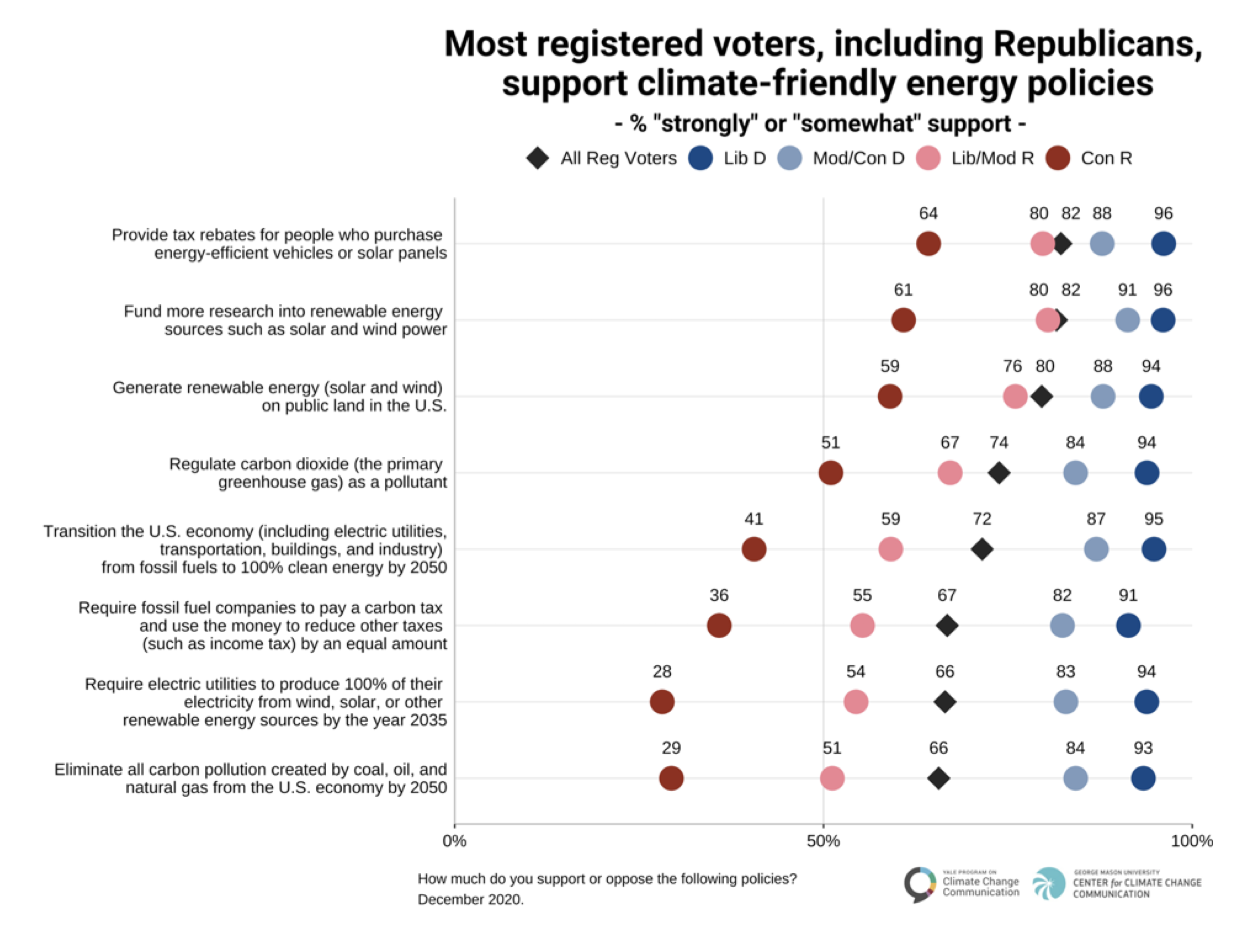
Poll: Most Voters Support Ambitious Climate Action
Beyond Demography: Black Audiences Online
This resource looks at where Black audiences are when they are online and how they act when they get there. This goes beyond reliance on polls and surveys to create a more complete picture of the culture people are consuming, creating and being inspired by. Key takeaways include the identification of five distinct Black audiences: Strivers, Planners, Learners, Gamers, and Bootstrapers, along with the most popular platforms (Google and YouTube) and the fact that most Black people are getting COVID news from mainstream and left-leaning outlets on their desktops.
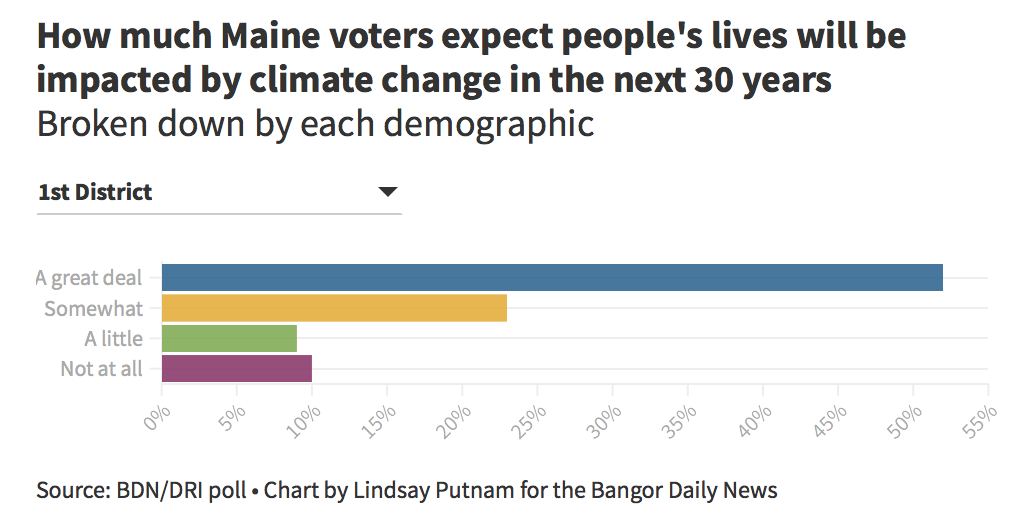
An overwhelming majority of Maine voters are concerned about the impacts of climate change, with degree of concern largely breaking down along party lines. 77% of respondents said they were concerned about the impacts of the changing climate, with 47% saying they were “very concerned.”
How does the American public perceive climate disasters?
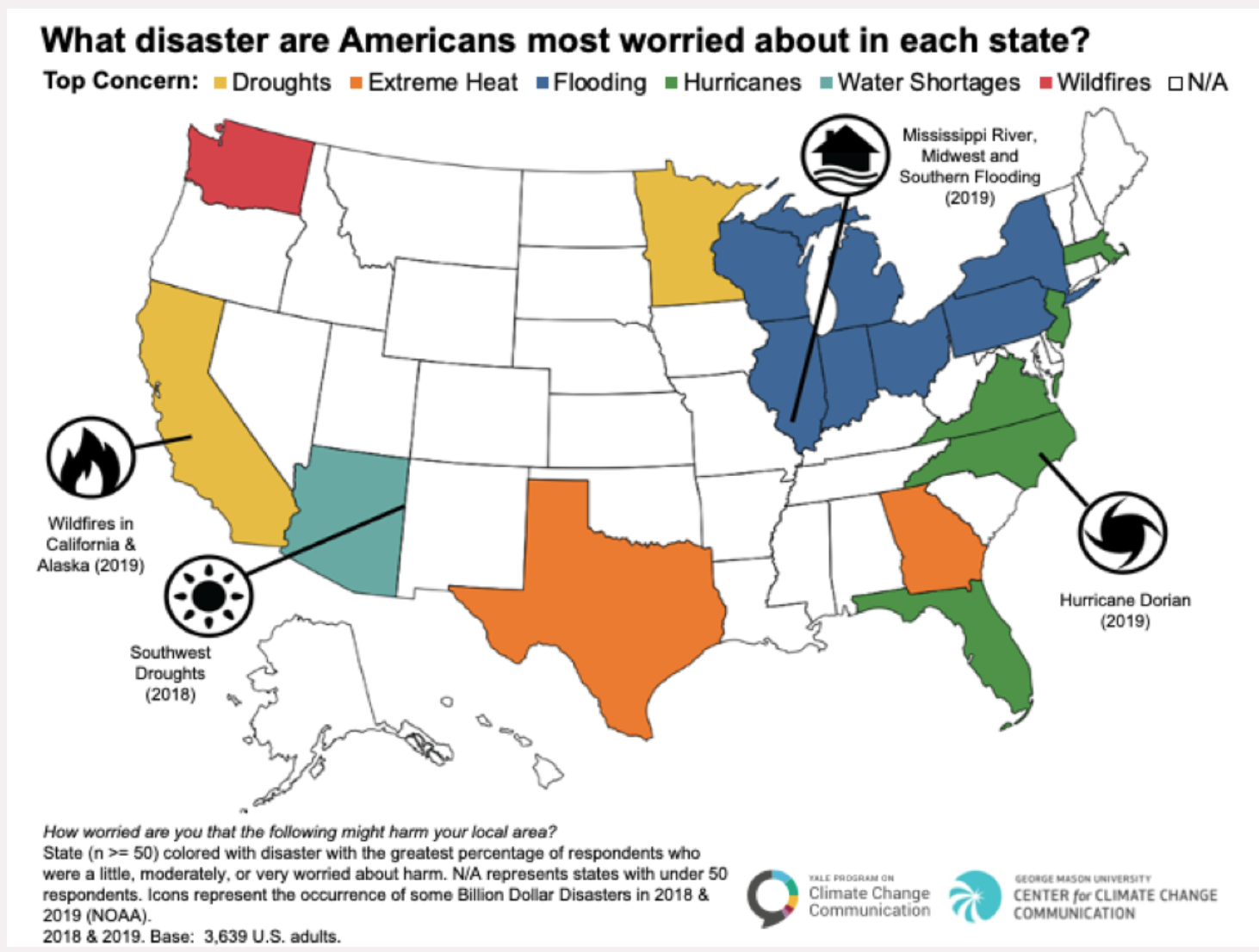
Different parts of the country see various kinds of extreme weather as most concerning, perceptions which are largely in line with actual major disasters that have occurred in those regions. This report provides concern profiles for the 18 largest states, drawing on survey data from 2018 and 2019. Over half of Americans see such extreme weather events posting a high or moderate risk to their community in the coming decade, and two thirds see a climate link to US weather (though only a third think climate affects our weather "a lot").
Tipsheet: 7 Top Evidence-Based Climate Communications Tips
Social science, field research, and polling suggest seven tried and true climate change communication approaches:
- When to use "Global Warming" vs. "Climate Change"
- How to identify and find your right audience
- The inoculation approach to prepare your supporters for opposition messaging
- Why and how to emphasize scientific consensus
- The importance of peer pressure
- The careful balance between hope & threats
- The value of framing climate in terms of health
Under what conditions is information empowering?
Information alone rarely empowers people to make changes in their lives. Information empowers when social and emotional factors induce people to reinterpret that information, and act on it. Key principles for applying theses insights to education, outreach, and advocacy work include:
Climate Change in the Latino Mind
Key findings from a nationally representative survey of 2,054 English and Spanish-speaking Latinos include: 84% of Latinos think global warming is happening and 70% understand it is mostly human caused. 78% are worried about global warming, with 35% "very worried". Latinos want corporations and industry (77%), citizens themselves (74%), President Trump (74%), and the U.S. Congress (73%) to do more to address global warming.
Here’s everything we know about how to talk about climate change
Summary of climate change research recommends to: Tell a story rather than reciting facts -- and tailor that story to your audience; Focus on solutions and how we will be remembered in the future; Engage youth; and (most importantly) to "just talk about it." What to avoid: Don't try to scare people; Don't rely on stock photos; and Don't get discouraged that you can't reach everyone.